

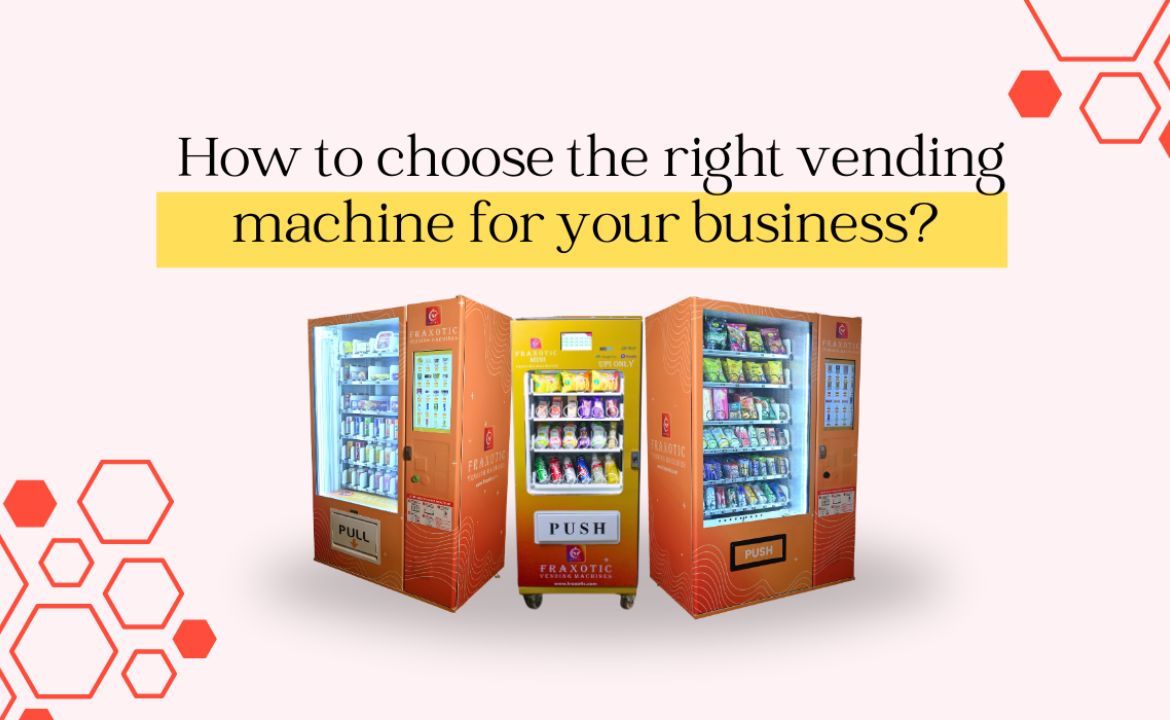
Starting a vending machine business can be an excellent way to generate passive income with relatively low startup costs. Unlike traditional retail stores that require constant staffing and oversight, vending machines work for you around the clock, dispensing snacks, beverages, and other products to customers at their convenience. Whether you’re looking for a side hustle or planning to build a full-scale operation, this comprehensive guide will walk you through everything you need to know to launch your own successful vending machine business.
Understanding the Vending Machine Business Model
The vending machine industry is a multi-billion dollar market that continues to grow as consumers increasingly seek convenient purchasing options. The business model is straightforward: you purchase or lease vending machines, stock them with products, place them in high-traffic locations, and collect the revenue. Your profit comes from the difference between what you pay for products wholesale and what customers pay at the machine.
What makes this business particularly attractive is its scalability. You can start with a single machine to test the waters and gradually expand your operation as you learn the ropes and generate capital. Many successful vending machine operators started with just one or two machines and grew their businesses to hundreds of units over time.
Choosing Your Vending Machine Type
Before diving into your vending machine business, you’ll need to decide what type of machines and products you want to offer. Traditional snack and beverage machines remain the most popular choice, but the industry has evolved considerably. Today’s options include:
Snack and beverage machines are the classic choice, offering chips, candy, cookies, and soft drinks. These machines typically cost between $3,000 and $10,000 for new units, though refurbished options can be found for less.
Healthy vending machines cater to the growing demand for nutritious options, stocking items like protein bars, dried fruits, nuts, and organic beverages. These can command premium prices in the right locations.
Specialty vending machines represent exciting opportunities in niche markets. These might dispense electronics accessories, beauty products, personal protective equipment, or even hot food items. Some entrepreneurs have found success with unique offerings like fresh flowers, books, or tech gadgets.
Finding the Perfect Locations
Location is arguably the most critical factor in your vending machine business success. High foot traffic doesn’t automatically guarantee sales—you need the right type of traffic. Office buildings, manufacturing facilities, schools, hospitals, gyms, hotels, and apartment complexes all represent potentially lucrative placements.
When scouting locations, consider the demographics of the area. A gym might be perfect for healthy snacks and protein shakes, while an office building might do better with coffee and traditional snack options. Manufacturing facilities often have workers who appreciate hot food options during shift changes.
Approach property owners or managers professionally with a clear proposal outlining the benefits of hosting your machine. Many locations will allow free placement, while others may request a commission on sales, typically ranging from 10% to 25%. Be prepared to negotiate and demonstrate how your machines will provide value to their employees or customers.
Calculating Startup Costs and Profit Margins
Understanding your financial commitment is essential before launching your vending machine business. Initial startup costs typically include:
- Vending machines: $2,000-$10,000 per unit
- Initial inventory: $200-$500 per machine
- Business licenses and permits: $50-$500
- Insurance: $500-$1,000 annually
- Transportation costs for servicing routes
Most vending machine operators aim for a 100% markup on products, though this varies by item and location. A candy bar purchased for $0.50 wholesale might sell for $1.00-$1.50. Beverages typically offer similar margins. With proper location selection and management, a single well-placed machine can generate $300-$500 in monthly profit after expenses.
Managing Operations and Maintenance
Success in this business requires consistent attention to operations. You’ll need to establish regular restocking schedules based on each machine’s sales volume. Most machines require servicing weekly or biweekly, though high-traffic locations may need more frequent attention.
Invest in inventory management systems to track sales and identify top-selling products. Modern vending machines offer telemetry systems that report inventory levels and sales data remotely, allowing you to optimize your routes and restock efficiently.
Maintenance is another crucial consideration. Machines break down, bill acceptors jam, and cooling systems fail. Either develop basic repair skills yourself or establish relationships with reliable technicians. Regular preventive maintenance will minimize costly emergency repairs and machine downtime.
Marketing and Growing Your Business
While vending machines sell themselves to some extent, active marketing can accelerate your growth. Create a professional brand identity with custom machine wraps that display your contact information clearly. Encourage satisfied location managers to refer you to other properties.
Join industry associations and attend trade shows to network with other operators and discover new opportunities. Many successful operators find that their best new locations come through word-of-mouth referrals from existing clients.
As your vending machine business grows, consider diversifying your product offerings and machine types. Stay informed about industry trends and be willing to adapt. The vending industry is evolving with cashless payment systems, touchscreen interfaces, and even AI-powered inventory management becoming more common.
Conclusion
Starting a vending machine business offers an accessible entry point into entrepreneurship with the potential for significant passive income. Success requires careful planning, smart location selection, consistent maintenance, and a willingness to adapt to market demands. Begin small, learn from experience, and scale gradually. With dedication and smart business practices, you can build a profitable vending operation that generates income with minimal daily involvement. The key is treating it as a real business, not just a passive investment—those who actively manage and optimize their operations consistently outperform those who take a hands-off approach.














Leave a Reply