

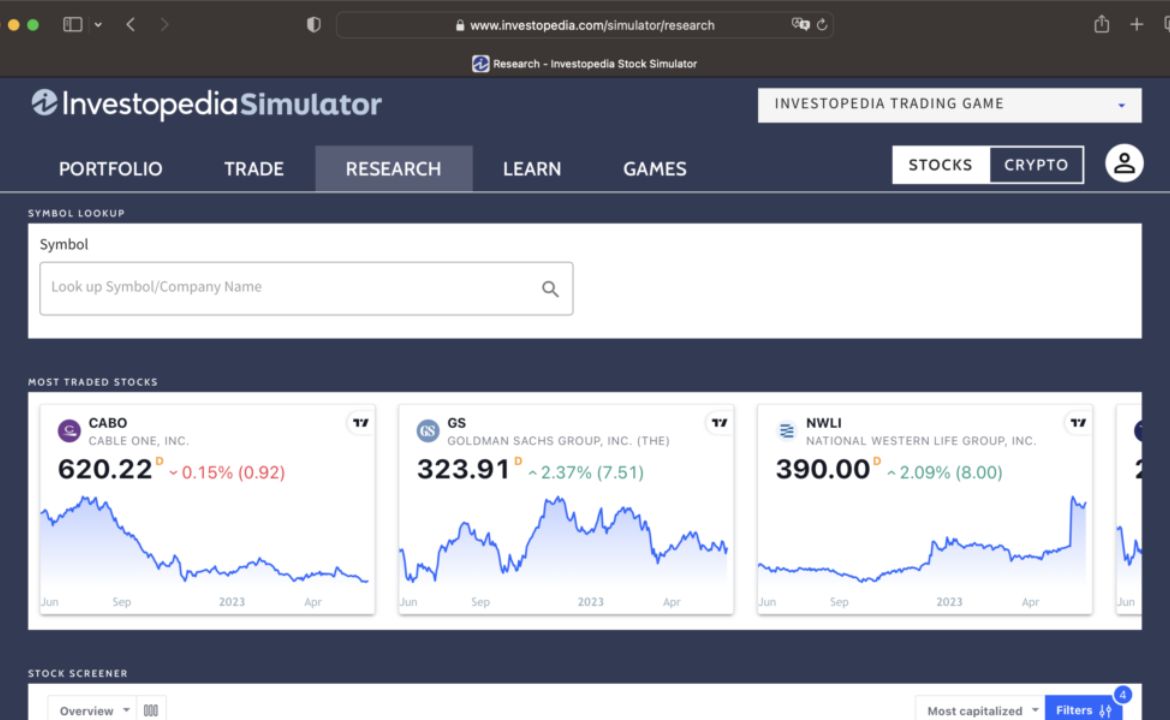
For aspiring traders and investors looking to hone their skills without risking real capital, the Investopedia simulator offers an invaluable platform to practice trading in a risk-free environment. This comprehensive trading simulator has become one of the most popular tools for both beginners taking their first steps into the financial markets and experienced traders testing new strategies.
Understanding the Power of Virtual Trading
The stock market can be intimidating for newcomers. The fear of losing hard-earned money often prevents people from entering the world of investing, even when they’re eager to learn. This is where virtual trading platforms become game-changers. The Investopedia simulator addresses this challenge by providing users with virtual currency to trade real market data, creating an authentic trading experience without any financial risk.
Virtual trading simulators bridge the gap between theoretical knowledge and practical application. You can read dozens of books about technical analysis, fundamental research, and market psychology, but nothing compares to the experience of actually placing trades and watching how markets respond to various events. The simulator allows users to make mistakes, learn from them, and develop their trading instincts in a forgiving environment.
Key Features That Set It Apart
What makes the Investopedia simulator particularly effective is its commitment to realism. The platform uses actual market prices with a 15-minute delay, ensuring that your virtual trading experience closely mirrors real-world conditions. This slight delay doesn’t significantly impact the learning experience while allowing the service to remain free for users.
The simulator provides access to a wide range of financial instruments, including stocks, options, mutual funds, and exchange-traded funds (ETFs). This diversity enables users to experiment with different asset classes and build diversified portfolios, just as they would in actual trading. The platform also includes essential tools like real-time quotes, detailed charts, and fundamental data that professional traders rely on daily.
One standout feature is the ability to participate in trading games and competitions. Users can create custom games, invite friends or colleagues, and compete against each other in specific time frames. This gamification element adds an exciting social dimension to learning, encouraging healthy competition while building trading skills. Teachers and professors often use these competitions to make financial education more engaging for their students.
Building Skills Through Practice
The true value of the Investopedia simulator lies in its role as an educational tool. New traders can experiment with different trading styles to discover what suits their personality and risk tolerance. Are you more comfortable with day trading’s rapid pace, or does swing trading’s more measured approach appeal to you? Perhaps long-term investing aligns better with your goals. The simulator lets you explore these strategies without consequence.
Risk management is perhaps the most critical skill any trader must develop, and virtual trading provides the perfect training ground. Users can test position sizing strategies, experiment with stop-loss orders, and understand how leverage affects their portfolio. Making mistakes with virtual money teaches lessons that stick, preparing traders for the psychological challenges they’ll face when real capital is at stake.
The platform also helps users understand market volatility and timing. By trading through different market conditions—bull markets, bear markets, and sideways movements—users develop a more nuanced understanding of how various factors influence asset prices. They learn to recognize patterns, understand market sentiment, and develop patience, which is often more valuable than any trading strategy.
Getting Started: A Step-by-Step Approach
Beginning your journey with the Investopedia simulator is straightforward. After creating a free account, users receive virtual currency (typically $100,000) to start trading. The interface is intuitive, designed to resemble professional trading platforms while remaining accessible to beginners.
Start by familiarizing yourself with the platform’s navigation and tools. Explore the research resources, watch tutorials, and understand how to place different order types. Market orders, limit orders, stop orders—each serves a specific purpose, and knowing when to use each type is fundamental to successful trading.
Next, develop a trading plan before placing your first trade. What are your goals? What’s your risk tolerance? Which sectors or industries interest you? Having a clear strategy prevents random, emotion-driven decisions that often lead to poor outcomes. Document your trades and the reasoning behind them, creating a trading journal that becomes an invaluable learning resource.
Common Pitfalls to Avoid
While virtual trading is risk-free financially, some psychological traps can hinder your learning progress. One common mistake is treating virtual money carelessly because “it’s not real.” This mindset creates bad habits that will hurt you when trading with actual capital. Approach the simulator as seriously as you would real trading to develop proper discipline and emotional control.
Another pitfall is overtrading. The absence of transaction costs in some simulators can encourage excessive trading that wouldn’t be profitable in reality. Remember that every real trade involves commissions and fees that eat into profits. Develop strategies that account for these costs from the beginning.
Additionally, some traders become overconfident after simulator success. Virtual trading removes the emotional pressure of losing real money—fear, greed, and panic that dramatically affect decision-making. Recognize that real trading will test you differently, and use the simulator to build a foundation of knowledge and strategy, not just confidence.
Transitioning to Real Trading
After gaining experience and confidence with the Investopedia simulator, you may feel ready to begin real trading. This transition should be gradual and measured. Start with small amounts you can afford to lose, understanding that early losses are part of the learning curve. The strategies and discipline developed in simulation provide your foundation, but real market psychology requires adjustment.
Continue using the simulator even after you begin real trading. Test new strategies virtually before risking actual capital. Many professional traders maintain paper trading accounts throughout their careers for experimentation and continuous learning.
Conclusion
The Investopedia simulator represents an essential tool in modern financial education, democratizing access to trading knowledge that was once available only to those who could afford expensive mistakes. By providing a realistic, risk-free environment for practice, it empowers individuals to build competence and confidence before entering the real markets. Whether you’re a complete beginner or an experienced investor exploring new strategies, this platform offers the perfect testing ground for developing your trading skills and investment acumen.














Leave a Reply