

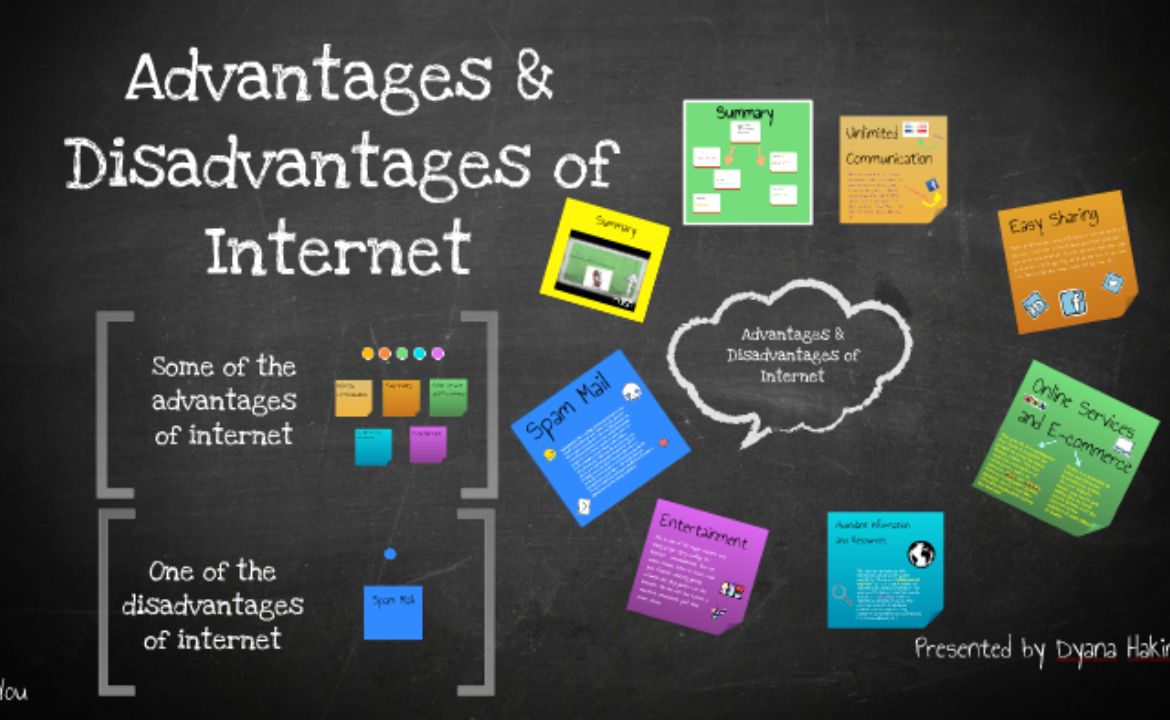
The internet has fundamentally transformed how we live, work, and communicate. From a simple military communication network in the 1960s to the global phenomenon it is today, the internet touches nearly every aspect of modern life. However, like any powerful tool, it comes with both benefits and drawbacks. Understanding the advantages and disadvantages of internet usage helps us navigate this digital landscape more effectively and make informed decisions about our online presence.
The Major Advantages of the Internet
Instant Access to Information
One of the internet’s most remarkable features is providing immediate access to virtually unlimited information. Whether you’re a student researching a school project, a professional seeking industry insights, or simply curious about a topic, the answer is just a few clicks away. Search engines have democratized knowledge, making information that once required trips to libraries or consultations with experts readily available to anyone with an internet connection.
Global Communication Made Easy
The internet has eliminated geographical barriers to communication. Video calls allow families separated by continents to see each other’s faces in real-time. Social media platforms keep friends connected despite physical distances. Email enables professional correspondence across time zones within seconds. This connectivity has strengthened personal relationships and facilitated international business collaboration in ways previously unimaginable.
Economic Opportunities and E-Commerce
Online shopping has revolutionized retail, offering consumers unprecedented convenience and choice. Beyond purchasing goods, the internet has created entirely new career paths. Freelancers can work for clients worldwide, entrepreneurs can launch businesses with minimal overhead through e-commerce platforms, and remote work opportunities have exploded. The digital economy continues to grow, creating jobs that didn’t exist a generation ago.
Educational Resources and Online Learning
Education has been transformed by internet access. Online courses from prestigious universities are available to anyone, often for free. Educational videos, interactive tutorials, and digital libraries provide learning opportunities regardless of location or economic status. Students can explore subjects at their own pace, and teachers can access innovative resources to enhance their instruction.
Entertainment On Demand
Streaming services, gaming platforms, social media, and countless websites provide endless entertainment options. The internet caters to every interest and hobby, from cooking tutorials to live sports, from indie music to blockbuster movies. This abundance of content means there’s always something to match your mood and preferences.
The Significant Disadvantages of the Internet
Privacy and Security Concerns
One of the most pressing issues surrounding the advantages and disadvantages of internet use is the erosion of privacy. Personal information is constantly collected, stored, and sometimes misused by companies and malicious actors. Data breaches expose sensitive information like credit card numbers, social security numbers, and private communications. Identity theft, financial fraud, and unauthorized surveillance have become genuine threats in our connected world.
Cyberbullying and Online Harassment
The anonymity and distance the internet provides can bring out the worst in some people. Cyberbullying affects millions, particularly young people, causing real psychological harm. Online harassment, hate speech, and trolling create toxic environments that can damage mental health and, in extreme cases, lead to tragic outcomes. Unlike traditional bullying, online attacks can happen 24/7 and reach vast audiences instantly.
Addiction and Time Wastage
Internet addiction is increasingly recognized as a genuine behavioral disorder. Social media platforms are designed to be addictive, triggering dopamine responses that keep users scrolling endlessly. Many people struggle to control their screen time, leading to neglected responsibilities, disrupted sleep patterns, and diminished real-world relationships. The constant availability of digital distractions can significantly reduce productivity and focus.
Misinformation and Fake News
While the internet provides access to information, not all of it is accurate or trustworthy. False information spreads faster than facts, and distinguishing credible sources from misleading ones requires critical thinking skills many users lack. Misinformation about health, politics, science, and current events can influence public opinion and decision-making with potentially dangerous consequences.
Health Issues from Excessive Use
Prolonged internet use contributes to various health problems. Extended screen time strains eyes and disrupts sleep cycles due to blue light exposure. Sedentary behavior associated with excessive internet use contributes to obesity, poor posture, and cardiovascular problems. Mental health issues including anxiety, depression, and social isolation have been linked to heavy social media use, particularly among adolescents.
Digital Divide and Inequality
Despite the internet’s global reach, access remains unequal. Rural areas, developing nations, and economically disadvantaged communities often lack reliable internet connections. This digital divide creates and perpetuates inequality, as those without internet access miss out on educational opportunities, job prospects, and essential services increasingly delivered online.
Finding Balance in the Digital Age
When examining the advantages and disadvantages of internet technology, it becomes clear that the internet itself is neutral—its impact depends on how we use it. The key lies in developing digital literacy and healthy usage habits. Setting boundaries around screen time, verifying information before sharing it, protecting personal data, and maintaining real-world connections can help maximize benefits while minimizing harms.
Parents should guide children’s internet use, teaching critical thinking and online safety. Individuals should regularly audit their digital habits, asking whether their internet use serves their goals or detracts from them. Employers and educators can promote balanced approaches that leverage the internet’s advantages while acknowledging its limitations.
Conclusion
The advantages and disadvantages of internet usage will continue evolving as technology advances. New opportunities will emerge alongside new challenges. The internet has undeniably improved countless aspects of human life, from communication to commerce, education to entertainment. However, it also presents real risks to privacy, mental health, and social cohesion.
Rather than viewing the internet as purely good or bad, we should approach it as a powerful tool requiring responsible use. By understanding both its benefits and drawbacks, we can make conscious choices about our digital lives, harnessing the internet’s tremendous potential while protecting ourselves from its pitfalls. The goal isn’t to avoid the internet but to use it wisely, ensuring that technology serves humanity rather than the reverse.












Leave a Reply