

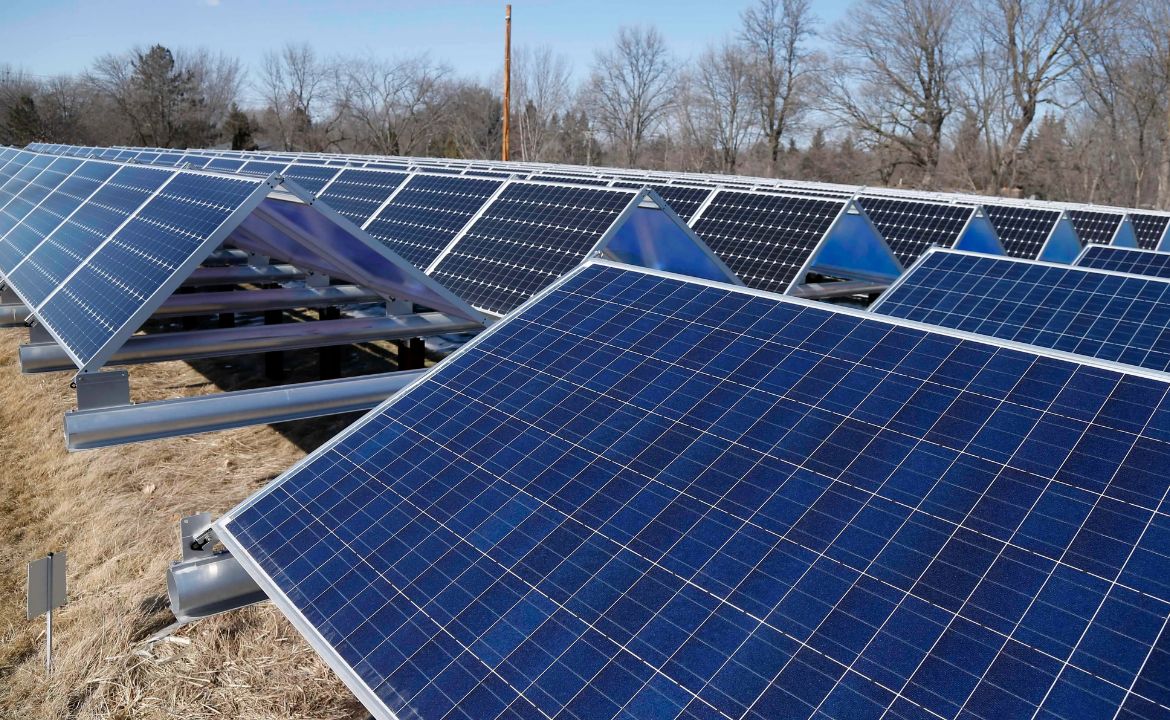
Wisconsin may not be the first state that comes to mind when discussing solar power, but the Badger State is experiencing a quiet revolution in renewable energy. Despite its reputation for harsh winters and cloudy skies, solar energy Wisconsin installations have been growing steadily, offering homeowners and businesses an increasingly viable path toward energy independence and cost savings.
The Reality of Solar Power in America’s Dairyland
Many Wisconsin residents hesitate to embrace solar technology, assuming their state’s climate makes it impractical. However, this misconception overlooks an important fact: solar panels generate electricity from daylight, not just direct sunlight. Germany, a country with similar solar radiation levels to Wisconsin, has been a global leader in solar energy for years. Wisconsin receives enough annual sunlight to make solar installations economically attractive, particularly with advancing technology and decreasing equipment costs.
The state experiences approximately 2,200 to 2,400 hours of sunlight annually, which translates to sufficient solar energy potential for residential and commercial applications. Modern solar panels are remarkably efficient, even on overcast days, capturing diffuse sunlight and converting it into usable electricity. Additionally, solar panels actually perform better in cooler temperatures, giving Wisconsin an unexpected advantage during spring and fall months when temperatures are moderate but daylight hours remain substantial.
Financial Incentives Making Solar Accessible
One of the most compelling reasons to consider solar energy Wisconsin projects is the array of financial incentives available to residents. The federal Investment Tax Credit (ITC) allows homeowners to deduct a significant percentage of their solar installation costs from their federal taxes. This incentive alone can reduce the overall system cost by thousands of dollars, dramatically improving the return on investment.
Beyond federal programs, Wisconsin offers additional incentives through Focus on Energy, the state’s energy efficiency and renewable energy program. This initiative provides cash-back rewards for solar installations, further reducing upfront costs. Many Wisconsin utilities also offer net metering programs, allowing solar system owners to receive credits for excess electricity their panels generate and feed back into the grid. During summer months when solar production peaks, these credits can offset winter electricity consumption, creating year-round savings.
Local municipalities and counties sometimes provide property tax exemptions for solar installations, ensuring that adding solar panels won’t increase property tax assessments despite adding value to the home. These layered incentives work together to make solar energy more affordable than ever for Wisconsin families.
Types of Solar Solutions Available
Wisconsin residents can choose from several solar energy configurations depending on their needs, budget, and property characteristics. Grid-tied systems are the most common and cost-effective option. These systems connect directly to the utility grid, using net metering to balance production and consumption. Homeowners draw power from the grid when solar production is low and send excess power back when panels produce more than the home needs.
Battery storage systems have gained popularity in recent years, offering energy independence and backup power during outages. While adding batteries increases initial investment costs, they provide peace of mind during Wisconsin’s occasional severe weather events and maximize the use of self-generated power. Some homeowners opt for hybrid systems that combine grid connection with battery backup, capturing the advantages of both approaches.
Community solar programs present an alternative for residents who cannot install panels on their property due to shading, roof conditions, or rental situations. These programs allow participants to subscribe to a share of a larger solar array located elsewhere, receiving credits on their electricity bills proportional to their subscription size.
Understanding System Sizing and Performance
Properly sizing a solar energy Wisconsin system requires careful consideration of multiple factors. Energy consumption patterns, roof orientation and pitch, available space, and budget constraints all influence optimal system design. A typical Wisconsin home consumes between 8,000 and 12,000 kilowatt-hours annually, requiring a solar array ranging from 6 to 10 kilowatts to offset most or all electricity usage.
South-facing roofs with minimal shading provide ideal conditions for solar panels, but east and west-facing installations can also perform well. Professional solar installers conduct detailed site assessments using specialized tools to measure solar access throughout the year, accounting for seasonal sun angles and potential obstructions like trees or neighboring buildings.
Winter performance deserves special attention in Wisconsin’s climate. Snow accumulation on panels can temporarily reduce production, but panels typically shed snow quickly due to their smooth surface and the heat generated during operation. Annual production estimates account for seasonal variations, ensuring realistic expectations about system performance throughout the year.
Selecting the Right Installation Partner
Choosing a qualified, experienced solar installer is crucial for project success. Wisconsin has numerous certified solar professionals, but quality and service levels vary considerably. Homeowners should seek installers with proper licensing, insurance, and certification from organizations like the North American Board of Certified Energy Practitioners (NABCEP).
Requesting multiple quotes allows comparison of equipment options, warranties, and pricing structures. Reputable installers provide detailed proposals outlining system specifications, expected production, financial analysis, and timeline. They should also handle permit applications and utility interconnection paperwork, streamlining the process for homeowners.
Reading reviews and requesting references helps identify installers with strong track records of quality workmanship and customer service. The best solar companies stand behind their work with comprehensive warranties covering equipment, installation, and performance guarantees.
Long-Term Benefits and Considerations
Investing in solar energy Wisconsin systems offers benefits extending far beyond monthly electricity savings. Solar panels typically last 25 to 30 years or longer, providing decades of clean energy production. Most systems pay for themselves within 8 to 12 years through electricity savings, after which the power generated is essentially free.
Environmental benefits are substantial as well. A typical residential solar system offsets several tons of carbon dioxide emissions annually, equivalent to planting hundreds of trees. For environmentally conscious Wisconsinites, solar energy represents a practical way to reduce their carbon footprint while maintaining modern lifestyle comforts.
Property value increases represent another advantage. Studies consistently show that homes with solar installations sell faster and command premium prices compared to similar homes without solar. Buyers recognize the value of reduced electricity costs and appreciate the environmental benefits.
Conclusion
Solar energy in Wisconsin has evolved from a niche technology to a mainstream energy solution offering compelling financial and environmental benefits. While the state’s climate presents unique considerations, modern technology and attractive incentives make solar installations increasingly practical for Wisconsin residents. As equipment costs continue declining and efficiency improves, more families will discover that solar power is not just feasible in Wisconsin—it’s a smart investment in their financial future and the environment.











Leave a Reply