

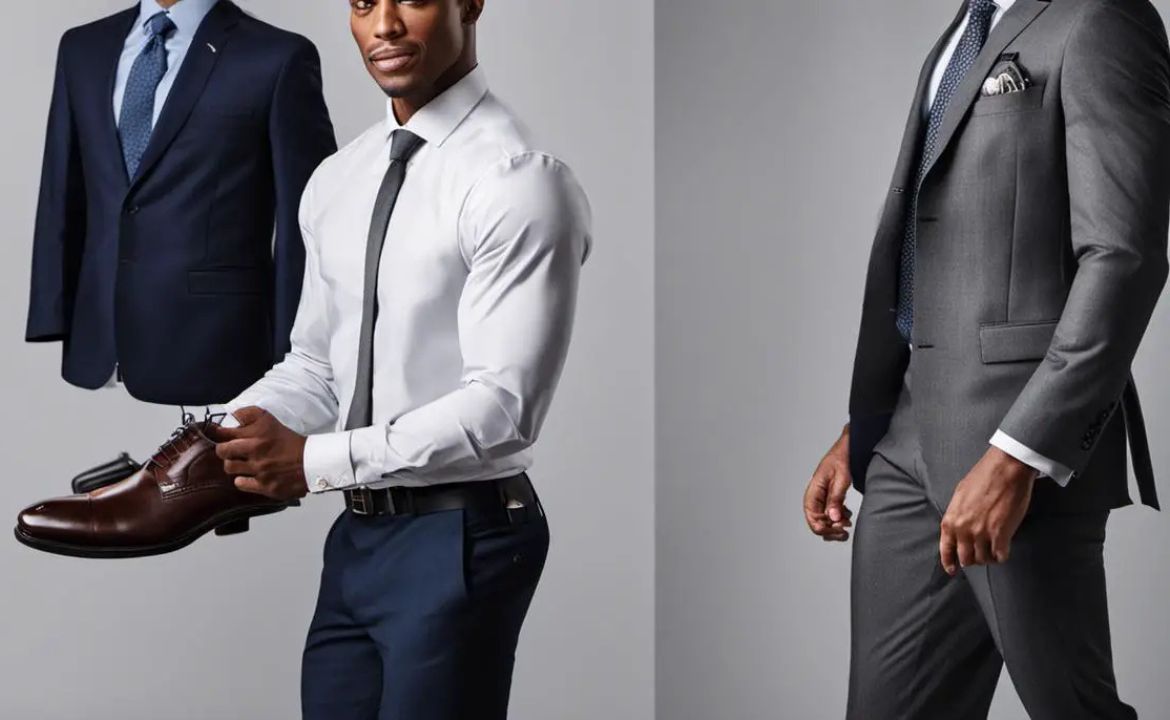
In today’s competitive corporate landscape, understanding and mastering business professional attire is essential for career advancement and making lasting impressions. Whether you’re preparing for an important client meeting, a job interview, or simply want to elevate your workplace presence, knowing what constitutes appropriate professional dress can significantly impact how you’re perceived in the business world.
Understanding Business Professional Attire
Business professional attire represents the most formal category of workplace dress codes. Specifically, it conveys competence, authority, and respect for your profession and colleagues. Moreover, this dress standard is commonly expected in traditional corporate environments, including law firms, financial institutions, consulting companies, and executive-level positions across various industries. In contrast to business casual, which allows for more flexibility, professional business wear adheres to strict guidelines that have been refined over decades of corporate culture. As a result, understanding these standards becomes crucial for anyone seeking to advance in corporate settings.
The Foundation: For Men
For men, business professional attire centers around well-tailored suits in conservative colors. Typically, navy, charcoal gray, and black remain the gold standards, projecting authority without distraction. Therefore, a quality two-piece suit with matching jacket and trousers forms the cornerstone of any professional wardrobe.
Essential Components
First and foremost, the dress shirt should be long-sleeved, preferably in white or light blue, made from high-quality cotton or a cotton blend. Additionally, French cuffs with elegant cufflinks can add a sophisticated touch, though button cuffs are equally acceptable. Furthermore, the collar should be crisp and properly starched, creating clean lines that frame the face professionally.
In traditional business professional settings, neckties are non-negotiable. Consequently, you should choose silk ties in solid colors, subtle stripes, or conservative patterns. Ideally, the tie should reach the belt buckle, with a properly executed knot—the Windsor or half-Windsor being preferred choices. However, avoid novelty patterns, cartoon characters, or overly bold designs that might undermine your professional image.
Similarly, footwear matters significantly in completing your professional look. Specifically, leather oxford or derby shoes in black or dark brown should be well-polished and in excellent condition. In addition, shoes should be free from scuffs, with heels that aren’t worn down. Meanwhile, black leather belts should match the shoe color, maintaining visual cohesion throughout the outfit.
Moreover, socks deserve attention too—they should be mid-calf or higher, matching either the trousers or shoes. On the other hand, athletic socks or casual styles have no place in professional business settings.
The Professional Woman’s Wardrobe
Women’s business professional attire offers slightly more variety while maintaining the same standards of formality and polish. Generally, the foundation typically includes tailored suits with either trousers or skirts, elegant dresses, or coordinated separates that project professionalism.
Key Elements
First, a well-fitted suit remains the quintessential choice. Whether opting for a pantsuit or a skirt suit, the jacket should be tailored to fit properly at the shoulders and waist. As a result, conservative colors like navy, black, gray, and burgundy work exceptionally well. Furthermore, skirts should fall at or just below the knee, never more than two inches above.
Additionally, blouses and tops should be conservative, covering the chest and shoulders appropriately. For instance, long sleeves or three-quarter sleeves are ideal, though sleeveless tops can work if covered with a blazer. Similarly, fabrics should be high-quality and wrinkle-resistant, maintaining a polished appearance throughout the workday.
In traditional business professional environments, hosiery is often expected, particularly when wearing skirts or dresses. In this case, neutral tones that complement skin tone create the most professional appearance.
Regarding footwear for women, closed-toe pumps or low-heeled dress shoes in leather or quality materials are essential. Specifically, heel heights between one and three inches strike the right balance between professionalism and comfort. Moreover, shoes should be well-maintained, with neutral colors like black, navy, or brown being most versatile.
Accessories and Grooming
Importantly, accessories should complement business professional attire without overwhelming it. For men, a quality wristwatch, simple wedding band, and tasteful cufflinks suffice. On the other hand, women can incorporate modest jewelry—small earrings, a simple necklace, or a professional bracelet—while avoiding anything too flashy or distracting.
Additionally, briefcases or professional bags in leather or quality materials complete the professional look. For women, structured handbags in neutral colors work best, whereas men should opt for leather briefcases or portfolio bags.
Equally important are grooming standards. Specifically, hair should be neat and professionally styled. For men, facial hair should be well-groomed or clean-shaven, depending on company culture. Similarly, women’s makeup should be natural and understated. Furthermore, nails should be clean and well-maintained, with neutral polish if any. Finally, fragrance should be minimal or absent, as strong scents can be distracting in professional settings.
Seasonal Considerations
Notably, professional attire adapts slightly with seasons while maintaining formality. For example, summer months might call for lighter fabric weights—tropical wool or linen blends—while winter accommodates heavier materials like flannel or wool gabardine. Additionally, professional overcoats, trench coats, or wool topcoats extend your professional image when commuting or traveling between meetings.
Industry and Company Culture
Nevertheless, while these guidelines provide a solid foundation, you should always consider your specific industry and company culture. Typically, law, finance, and consulting demand strict adherence to traditional business professional standards. However, other industries might allow slight variations. When in doubt, observe senior leadership and successful colleagues to gauge appropriate norms for your workplace.
Investing Wisely
Undoubtedly, quality matters significantly in professional attire. Indeed, well-made garments last longer, maintain their appearance better, and communicate attention to detail. As such, building a professional wardrobe is an investment in your career. Initially, start with essential pieces—two quality suits, several dress shirts or blouses, appropriate shoes, and accessories—then expand gradually over time.
Conclusion
Ultimately, mastering business professional attire demonstrates respect for your profession, colleagues, and clients. In fact, it eliminates distractions, allowing your skills, expertise, and contributions to take center stage. Therefore, by investing in quality pieces, maintaining impeccable grooming standards, and understanding the nuances of professional dress, you position yourself for success in any corporate environment. Remember, dressing professionally isn’t about conformity—rather, it’s about presenting your best self and showing you understand the unwritten rules that govern professional success.














Leave a Reply