

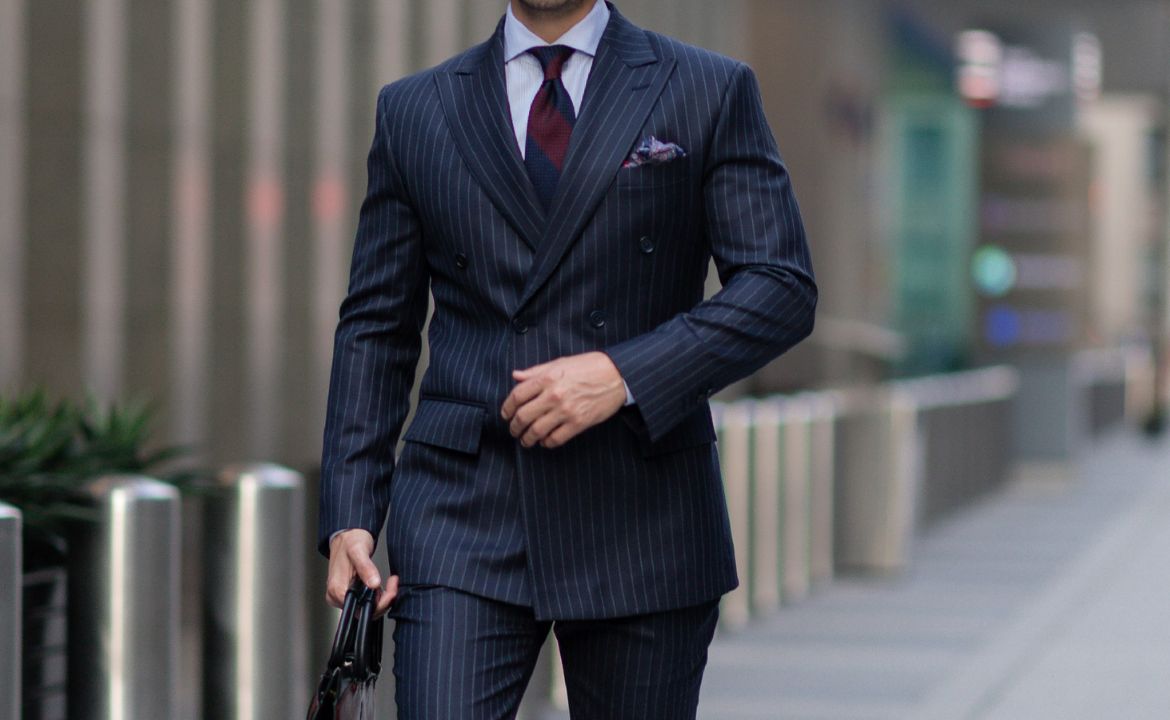
The professional wardrobe has evolved significantly in recent years, yet one essential remains constant: the power of a well-tailored business suit. As workplace dynamics shift and fashion sensibilities mature, understanding current trends in professional attire has become crucial for anyone looking to make a lasting impression in the corporate world. Whether you’re preparing for important meetings, client presentations, or daily office wear, staying informed about contemporary business suit trends can elevate your professional image and boost your confidence.
The Return of Classic Tailoring with Modern Twists
Traditional tailoring is experiencing a renaissance, but today’s business suit incorporates contemporary elements that make it more versatile than ever. The classic navy and charcoal suits remain wardrobe staples, but modern cuts feature slimmer silhouettes without the extreme skinny fits of the past decade. This balanced approach creates a timeless yet current aesthetic that works across various professional settings.
The modern business suit emphasizes clean lines and precise construction. Jackets feature higher armholes for better movement, softer shoulder padding for a natural drape, and slightly shorter lengths that create a streamlined appearance. Trousers have evolved too, with many professionals opting for a mid-rise waist and a straight or slightly tapered leg that provides comfort without sacrificing sophistication.
Sustainable Fabrics Taking Center Stage
Environmental consciousness has transformed the fashion industry, and professional wear is no exception. Today’s discerning professionals increasingly seek business suits crafted from sustainable materials. Wool blends incorporating recycled fibers, organic cotton suits for warmer climates, and innovative fabrics made from recycled plastic bottles are gaining traction in boardrooms worldwide.
These eco-friendly options don’t compromise on quality or appearance. In fact, many sustainable fabrics offer superior durability and performance characteristics, including better wrinkle resistance and moisture management. Investing in sustainably produced professional wear demonstrates both personal values and forward-thinking sensibilities—qualities that resonate in modern business culture.
Color Palettes Beyond Navy and Gray
While traditional colors maintain their relevance, the contemporary business suit palette has expanded considerably. Warm earth tones like camel, tobacco brown, and olive green have emerged as sophisticated alternatives to standard neutrals. These colors project approachability while maintaining professional authority, making them ideal for creative industries and modern corporate environments alike.
For those seeking to make bold statements, deep jewel tones such as burgundy, forest green, and midnight blue offer distinctive options that remain office-appropriate. These colors work particularly well in autumn and winter months, adding visual interest to professional wardrobes without appearing casual or unprofessional.
The Rise of Separates and Mix-and-Match Styling
Perhaps one of the most significant shifts in professional dressing involves the strategic use of suit separates. Rather than wearing matching jacket and trouser sets exclusively, many professionals now mix coordinating pieces to create varied looks from fewer items. This approach maximizes wardrobe versatility while reducing overall clothing consumption.
A navy blazer paired with gray trousers, or a patterned jacket combined with solid pants, creates dynamic professional looks that feel fresh and intentional. This trend reflects broader changes in workplace culture, where rigid dress codes have given way to more flexible interpretations of professional attire.
Texture and Pattern for Subtle Distinction
Today’s business suit often incorporates subtle textures and patterns that add depth without overwhelming. Micro-patterns like pin dots, subtle windowpane checks, and tonal stripes provide visual interest while maintaining professional decorum. These details are particularly effective for professionals who want to stand out in subtle, sophisticated ways.
Textured fabrics such as flannel for cooler months, fresco wool for summer, and birdseye weaves year-round offer tactile richness that photographs well and looks distinguished in person. These textural elements elevate basic suits into statement pieces without requiring dramatic departures from traditional business dress.
Tech-Enhanced Performance Fabrics
Modern professionals demand more from their clothing, and manufacturers have responded with performance-enhanced business suits. Stretch fabrics incorporating elastane provide comfort and mobility for active professionals who move frequently throughout their workday. Water-resistant treatments protect against unexpected weather, while antimicrobial finishes keep garments fresher between cleanings.
These technical innovations address practical concerns without compromising aesthetic standards. The business suit has evolved from purely formal attire into functional workwear that supports the demands of contemporary professional life.
Fit Customization and Made-to-Measure Options
The democratization of custom tailoring represents another major trend. Made-to-measure and semi-custom options have become increasingly accessible and affordable, allowing more professionals to invest in suits that fit their unique body types perfectly. This shift recognizes that true professional polish comes from proper fit rather than luxury branding alone.
Many retailers now offer customization options including monogramming, functional buttonholes, and personalized lining choices. These details create individuality within professional dress codes, allowing personality to shine through without crossing into casual territory.
Versatile Styling for Hybrid Work Environments
As hybrid and remote work models become permanent fixtures in many industries, the business suit has adapted accordingly. Professionals increasingly seek pieces that transition seamlessly from video calls to in-person meetings. This has popularized blazers with exceptional shoulder construction that looks sharp on camera, and comfortable, wrinkle-resistant trousers suitable for all-day wear.
The “camera-ready” suit prioritizes mid-tones that photograph well, avoids distracting patterns near the face, and incorporates fabrics that resist wrinkles during sitting. This practical approach reflects how technology has reshaped not just where we work, but what we wear to work.
Investment Pieces That Transcend Trends
Despite evolving trends, the fundamental value of a quality business suit remains unchanged. Investment in well-constructed, classically styled pieces ensures longevity and versatility. The most successful professional wardrobes balance trendy elements with timeless foundations, creating looks that feel current without appearing dated after a single season.
Quality indicators include hand-stitched details, genuine horn buttons, full canvas construction, and superior fabric weight. These characteristics ensure garments maintain their shape and appearance through years of wear, making them genuine investments rather than disposable fashion.
Conclusion
The modern professional landscape demands adaptability, and nowhere is this more evident than in evolving business suit trends. By embracing contemporary cuts, sustainable fabrics, expanded color palettes, and performance features while respecting classic tailoring principles, today’s professionals can build wardrobes that serve them effectively across diverse situations. The business suit remains a cornerstone of professional dress—it has simply evolved to meet the needs of a new generation of workers who value both style and substance in their professional attire.












Leave a Reply