

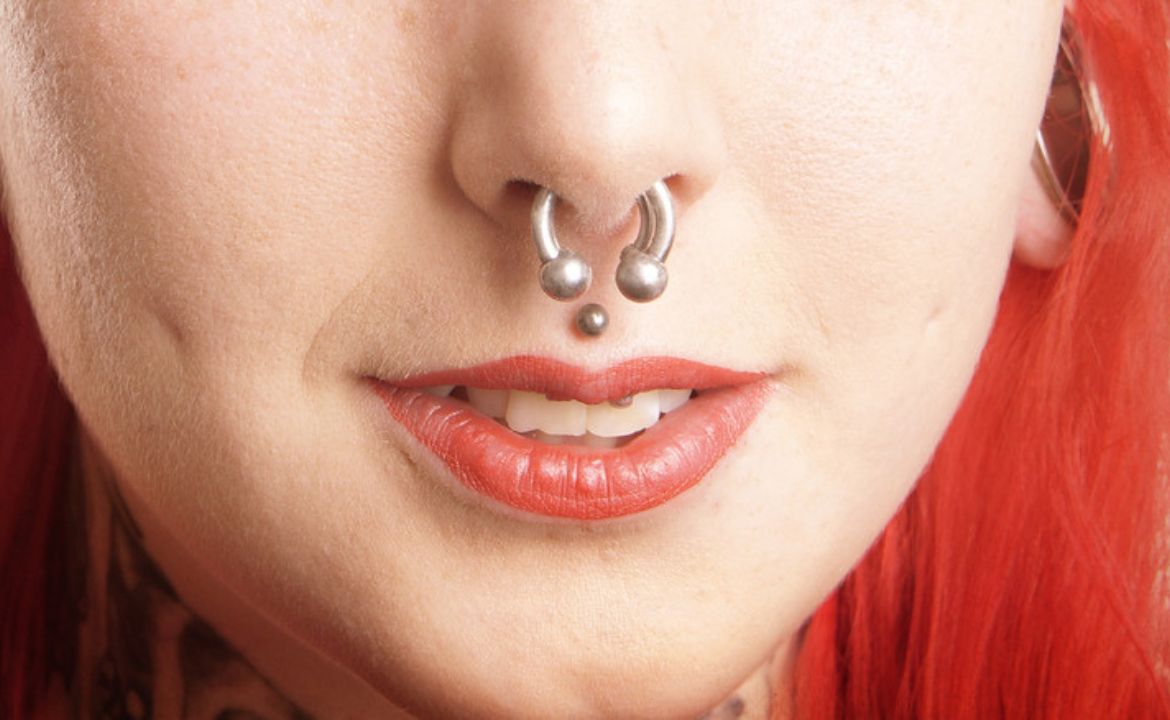
A medusa piercing has become one of the most popular facial piercings in recent years, offering a striking and symmetrical look that draws attention to the lips. Named after the Greek mythological figure, this unique piercing sits in the philtrum—the indented area between your upper lip and nose. If you’re considering getting a medusa piercing, understanding what to expect in terms of pain, healing time, and proper aftercare is essential for a successful piercing experience.
What Is a Medusa Piercing?
The medusa piercing is a type of labret piercing located centrally in the philtrum groove. It typically features a flatback labret stud that sits flush against the inside of your upper lip, with a decorative ball or gem visible on the outside. This piercing creates a beautiful focal point on the face and pairs well with other lip piercings or can stand alone as a statement piece.
The placement requires precision and expertise, as the piercer must ensure the jewelry sits perfectly centered for optimal aesthetic appeal. When done correctly, a medusa piercing can enhance your facial symmetry and complement your natural features.
Pain Level: What to Expect
One of the most common questions people ask before getting this piercing is, “How much does it hurt?” Pain is subjective and varies from person to person, but most people rate the pain of a medusa piercing between 4 and 6 out of 10 on the pain scale.
The philtrum area contains several nerve endings, which can make the piercing process more uncomfortable than some other facial piercings. However, the actual piercing takes only a few seconds. Many describe the sensation as a sharp pinch followed by immediate pressure. Some people report that their eyes water reflexively during the procedure, which is completely normal.
The initial pain subsides quickly, but you’ll likely experience tenderness, swelling, and throbbing for the first few days. This discomfort is part of the normal healing process and can be managed with proper care and over-the-counter pain relievers if needed.
The Piercing Process
Getting a medusa piercing should always be done by a professional piercer at a reputable studio. Here’s what the process typically involves:
First, your piercer will clean and mark the precise location on your philtrum, ensuring it’s centered and positioned correctly. You’ll have the opportunity to check the placement in a mirror before proceeding. Once you approve the positioning, the piercer will use a sterilized hollow needle to create the hole. The jewelry—usually a longer labret stud to accommodate initial swelling—is immediately inserted.
The entire procedure takes just a few minutes, though the preparation and jewelry insertion may take longer than the actual piercing itself.
Healing Timeline
The healing process for a medusa piercing requires patience and dedication. Initial healing typically takes 8 to 12 weeks, but complete healing can take up to 6 months or longer. During this time, your body is working to form new tissue around the jewelry.
The first week is usually the most challenging, with significant swelling, tenderness, and some bleeding or clear discharge. Week two through four will see gradual improvement, with swelling decreasing and discomfort lessening. By weeks six through twelve, external healing should be mostly complete, though internal healing continues.
After about 8 to 10 weeks, once initial healing is complete, you can return to your piercer to downsize your jewelry to a shorter labret. This step is important for preventing dental damage and ensuring comfort.
Comprehensive Aftercare Instructions
Proper aftercare is crucial for preventing infection and promoting healing. Following these guidelines will help ensure your piercing heals successfully:
Cleaning Routine
Clean your piercing twice daily using sterile saline solution. You can purchase pre-made saline spray or make your own by mixing one-quarter teaspoon of non-iodized sea salt with 8 ounces of warm distilled water. Spray or apply the solution to both the outside and inside of your piercing, letting it sit for a few minutes before gently patting dry with clean gauze or paper towels.
What to Avoid
Never use harsh products like alcohol, hydrogen peroxide, or antibacterial ointments, as these can irritate the piercing and delay healing. Avoid touching your piercing with unwashed hands, and resist the urge to play with or twist the jewelry. Don’t apply makeup directly on or around the piercing site until it’s fully healed.
Oral Care
Since the medusa piercing passes through to the inside of your mouth, oral hygiene is equally important. Rinse your mouth with alcohol-free mouthwash or saline solution after eating, drinking anything other than water, or smoking (though avoiding smoking during healing is strongly recommended). Brush your teeth gently twice daily, being careful around the jewelry’s backing.
Lifestyle Adjustments
During the healing period, avoid kissing, oral contact, and sharing drinks or utensils to prevent introducing bacteria. Stay away from pools, hot tubs, and natural bodies of water that may harbor bacteria. Be mindful when eating—stick to soft foods initially and take small bites to avoid bumping the jewelry.
Potential Complications and Warning Signs
While most piercings heal without issues, it’s important to recognize warning signs of complications. Some redness, swelling, and clear discharge are normal, but watch for signs of infection including excessive swelling that doesn’t improve, severe pain, thick yellow or green discharge, fever, or red streaks extending from the piercing.
Another consideration is dental damage. The backing of the jewelry sits against your upper gums and teeth, which can cause enamel erosion or gum recession over time. This is why downsizing to appropriate jewelry length after initial healing is so important.
Choosing the Right Jewelry
Initial jewelry is typically a 14-gauge or 16-gauge flatback labret stud made from implant-grade titanium, surgical steel, or 14-karat gold. These materials are biocompatible and minimize the risk of allergic reactions.
Once healed, you can experiment with different styles including gemstones, opals, or decorative ends. Always ensure any new jewelry is high-quality and properly sized to prevent complications.
Final Thoughts
A medusa piercing is a beautiful and bold choice that can enhance your facial features when done correctly. While the healing process requires commitment and careful aftercare, the stunning result is worth the effort. Always choose an experienced professional piercer, follow aftercare instructions diligently, and don’t hesitate to contact your piercer or a healthcare provider if you have concerns during the healing process. With proper care and patience, your new piercing will heal beautifully and become a cherished part of your personal style.














Leave a Reply