

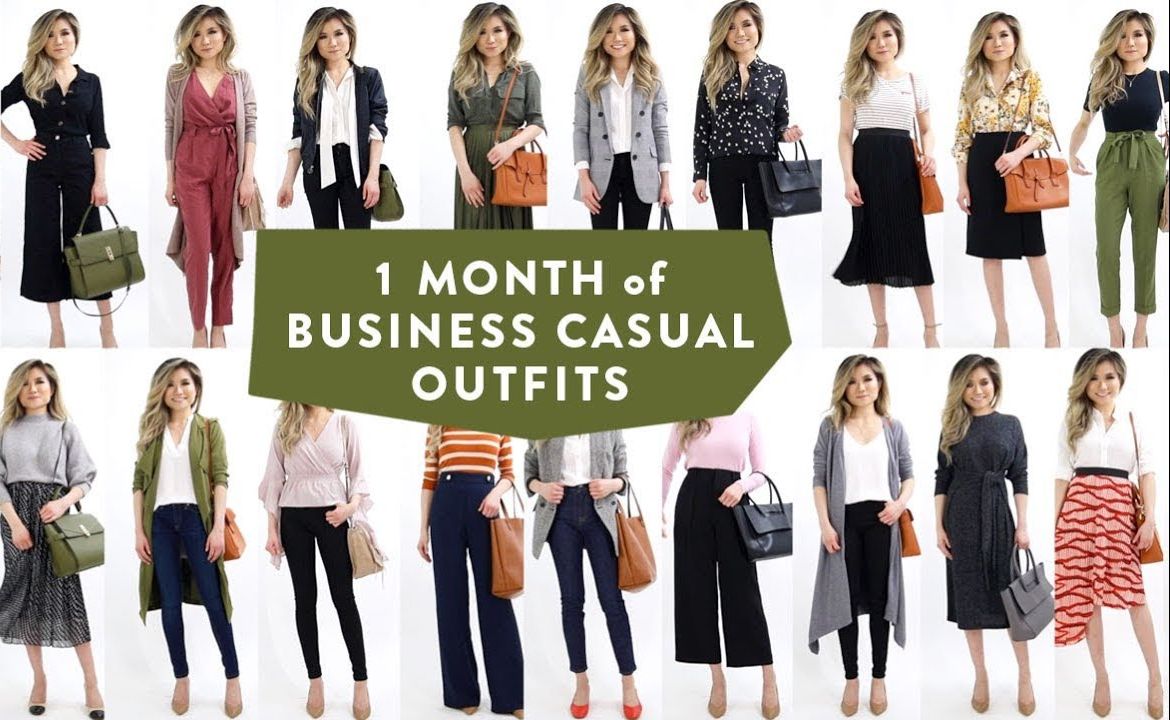
The modern workplace has undergone a significant transformation in recent years, with dress codes becoming increasingly relaxed while still maintaining professionalism. Business casual clothes have emerged as the perfect middle ground, allowing employees to look polished and put-together without the formality of traditional business attire. Understanding how to navigate this dress code can make a substantial difference in your professional image and daily comfort at work.
Understanding Business Casual in Today’s Workplace
Business casual clothes bridge the gap between formal business wear and everyday casual attire. This dress code has become the standard in many industries, from tech startups to creative agencies, and even traditional corporate environments are embracing this more relaxed approach. The key is striking the right balance between comfort and professionalism, ensuring you look appropriate for client meetings while feeling comfortable enough for long workdays.
Essential Pieces for Men
Dress Pants and Chinos
The foundation of any business casual wardrobe starts with well-fitted pants. Chinos in neutral colors like navy, charcoal, khaki, and olive green are versatile options that pair well with virtually any top. Look for fabrics with a slight stretch for comfort during long hours at your desk. Wool-blend trousers offer a more elevated look for important meetings while still falling within the business casual spectrum.
Button-Down Shirts and Polos
A crisp button-down shirt is a timeless staple that works in almost any office environment. Oxford cloth button-downs in white, light blue, or subtle patterns provide endless outfit possibilities. For warmer months or more casual office cultures, quality polo shirts in solid colors can be an excellent alternative. Avoid overly bright colors or loud patterns unless your specific workplace culture encourages creative expression.
Blazers and Sport Coats
A well-tailored blazer instantly elevates any outfit. Navy, charcoal, and tan blazers are versatile choices that can be dressed up or down. Unlike traditional suit jackets, sport coats can be paired with different trouser styles, making them perfect for business casual clothes. Look for unstructured or lightly structured blazers for a more relaxed appearance that still maintains professionalism.
Footwear Options
Leather loafers, brogues, and derby shoes in brown or black are safe choices that complement most business casual outfits. Suede shoes can add texture and visual interest while remaining appropriate. In more relaxed office environments, clean, minimalist sneakers in neutral colors may be acceptable, though it’s best to gauge your specific workplace culture before incorporating them into your rotation.
Essential Pieces for Women
Blouses and Tops
Silk or cotton blouses in solid colors or subtle patterns form the backbone of a business casual wardrobe. Look for styles with interesting details like ruching, pleating, or elegant necklines that add personality without being overly casual. Knit tops in quality fabrics can also work well, provided they’re not too tight or revealing. Sleeveless blouses are appropriate in most offices when paired with a cardigan or blazer.
Pants and Skirts
Tailored trousers in various cuts—straight leg, wide leg, or ankle length—offer versatility and comfort. Dark wash jeans without distressing may be acceptable in some offices, but it’s important to check your company’s specific policy. Pencil skirts, A-line skirts, and midi skirts in professional fabrics provide feminine alternatives. Stick to hemlines that fall at or below the knee for the most professional appearance.
Dresses
A well-chosen dress can be the easiest business casual outfit, requiring minimal styling while looking polished. Sheath dresses, shirt dresses, and wrap dresses are particularly office-appropriate. Choose styles with modest necklines and appropriate lengths. Dresses with sleeves are always a safe choice, but sleeveless options work well when paired with a cardigan or blazer.
Cardigans and Blazers
Layering pieces are essential for both comfort and style. Structured blazers in various colors add polish to any outfit, while cardigans offer a softer, more approachable look. Invest in quality pieces in neutral colors that coordinate with multiple outfits in your wardrobe.
Footwear
Closed-toe heels, flats, loafers, and ankle boots are all appropriate footwear choices. Heel heights should be comfortable for a full day of work—typically between one and three inches. In more casual offices, clean leather sneakers may be acceptable. Avoid flip-flops, overly casual sandals, or athletic shoes unless your workplace specifically allows them.
Fabric and Quality Considerations
When building a collection of business casual clothes, prioritize quality over quantity. Well-made garments in natural or high-quality synthetic fabrics will look better, last longer, and maintain their appearance throughout the workday. Cotton, wool, linen, and silk are excellent choices, while performance fabrics that resist wrinkling can be practical for busy professionals.
Pay attention to how fabrics drape and fit. Clothes that are too tight or too loose can undermine an otherwise professional appearance. Proper fit is crucial—consider having pieces tailored if they don’t fit perfectly off the rack.
Colors and Patterns
Neutral colors like navy, charcoal, black, white, beige, and gray form a versatile foundation. These colors are easy to mix and match, creating numerous outfit combinations from fewer pieces. Once you have neutrals covered, incorporate accent colors that complement your complexion and personal style.
Patterns can add visual interest to business casual clothes, but choose them carefully. Subtle stripes, small checks, and understated prints are generally safe choices. Avoid anything too bold or distracting, unless your workplace culture specifically encourages creative expression through clothing.
Adapting to Your Office Culture
Every workplace has its own interpretation of business casual. Tech companies might embrace jeans and hoodies, while financial institutions may lean toward the more formal end of the spectrum. Observe what senior colleagues and management wear, and aim to match or slightly exceed that level of formality, especially when you’re new to an organization.
Conclusion
Mastering business casual dress requires understanding both the general principles and your specific workplace culture. By investing in quality pieces that fit well and can be mixed and matched, you’ll create a versatile wardrobe that serves you well in any professional setting. Remember that business casual clothes should make you feel confident and comfortable while projecting professionalism and competence. With these essentials in your wardrobe, you’ll be prepared for whatever your modern office environment demands.













Leave a Reply