

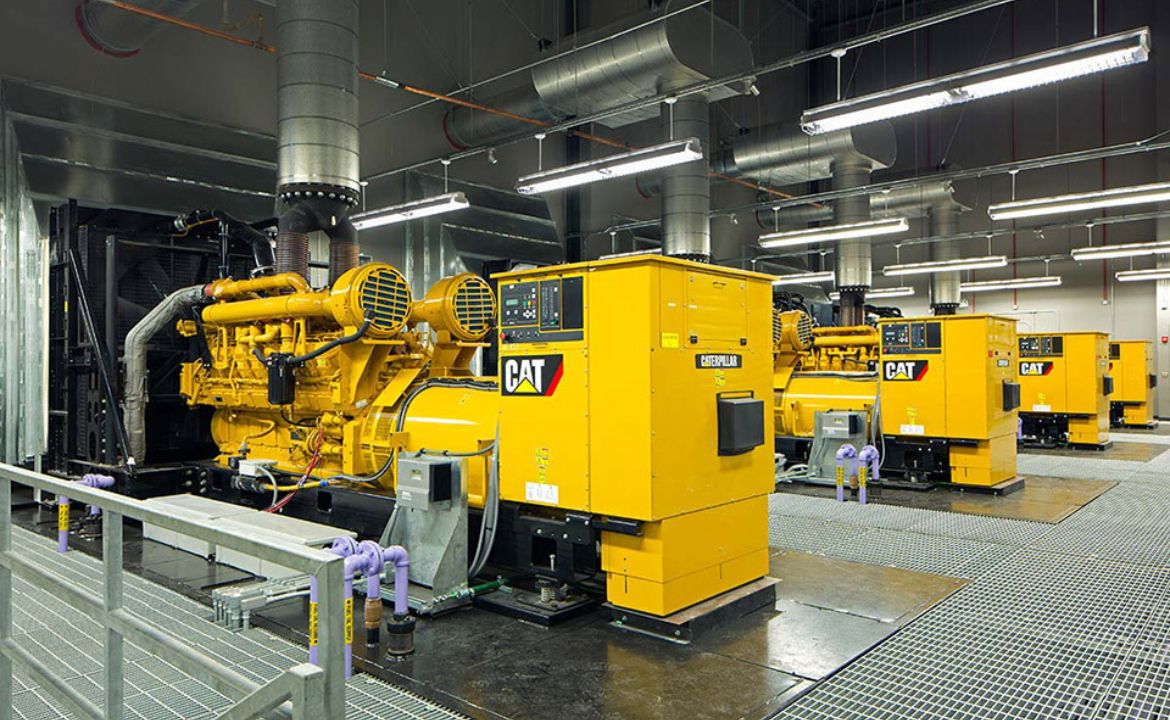
In the landscape of modern industrial operations, few innovations have proven as transformative and enduring as diesel technology. From sprawling construction sites to massive cargo ships traversing oceans, diesel engines remain the backbone of heavy industry worldwide. This remarkable technology has evolved significantly since Rudolf Diesel’s groundbreaking invention in the 1890s, yet its fundamental principles continue to drive economic growth and industrial productivity across the globe.
The Foundation of Industrial Power
Diesel technology operates on a principle of compression ignition, distinguishing it fundamentally from gasoline engines. Air is compressed to extremely high pressures within the engine cylinder, raising temperatures to levels where fuel spontaneously ignites upon injection. This elegant mechanism delivers exceptional thermal efficiency, converting a higher percentage of fuel energy into usable work compared to alternative combustion systems.
The robustness inherent in diesel engine design makes it particularly suited for heavy-duty applications. These powerplants generate tremendous torque at lower engine speeds, providing the pulling power essential for hauling heavy loads, operating machinery, and sustaining continuous operation under demanding conditions. Construction equipment, agricultural machinery, mining vehicles, and long-haul trucks all depend on this reliable power source to accomplish tasks that would be impractical with other engine types.
Evolution and Modern Advancements
The diesel technology landscape has undergone remarkable transformation in recent decades. Environmental concerns and increasingly stringent emissions regulations have spurred unprecedented innovation in engine design, fuel injection systems, and exhaust treatment technologies. Modern common rail fuel injection systems operate at pressures exceeding 30,000 pounds per square inch, enabling precise fuel metering that optimizes combustion efficiency while minimizing harmful emissions.
Turbocharging and intercooling have become standard features in contemporary diesel engines, dramatically increasing power density without proportionally expanding engine size or weight. These forced induction systems allow smaller displacement engines to produce power levels previously requiring much larger units, improving both efficiency and packaging flexibility for manufacturers.
Electronic engine management systems represent another quantum leap forward. Sophisticated computer controls continuously monitor dozens of parameters, adjusting fuel delivery, injection timing, and boost pressure in real-time to maintain optimal performance across varying operating conditions. These systems also enable comprehensive diagnostics, allowing maintenance personnel to identify and address potential issues before they result in costly downtime.
Critical Role in Heavy Industry
The construction sector exemplifies diesel technology’s indispensable role in heavy industry. Excavators, bulldozers, wheel loaders, and dump trucks rely exclusively on diesel power to move earth, transport materials, and shape infrastructure projects. The combination of high torque output, fuel efficiency, and durability makes diesel engines ideally suited for equipment that may operate continuously for twelve-hour shifts in harsh, dusty, and challenging environments.
In the mining industry, diesel-powered vehicles and machinery work in some of the most extreme conditions imaginable. Massive haul trucks with payload capacities exceeding 400 tons depend on diesel engines producing thousands of horsepower to transport ore from extraction sites to processing facilities. Underground mining operations utilize specially designed diesel equipment with advanced emission controls to ensure operator safety in confined spaces while maintaining the productivity essential for economic viability.
Transportation and logistics represent perhaps the most visible application of diesel technology in heavy industry. Long-haul trucks crisscrossing continents, cargo ships carrying goods between nations, and freight locomotives pulling mile-long trains all harness diesel power. The superior fuel economy and extended range capabilities of diesel engines make them economically advantageous for operations where vehicles may travel hundreds or thousands of miles between refueling opportunities.
Environmental Considerations and Future Directions
Contemporary diesel technology has made extraordinary strides in reducing environmental impact. Selective catalytic reduction systems inject diesel exhaust fluid to neutralize nitrogen oxides, while diesel particulate filters capture and periodically burn off soot particles. These advances have reduced emissions from modern diesel engines by more than 90 percent compared to units produced just two decades ago.
The development of renewable diesel and biodiesel fuels offers promising pathways toward reducing the carbon footprint of diesel-powered equipment. These alternative fuels, derived from vegetable oils, animal fats, and waste products, can often be used in existing diesel engines with minimal or no modifications, providing a bridge toward more sustainable operations without requiring immediate replacement of substantial capital investments in equipment.
Hybrid diesel-electric systems represent another evolutionary step, combining traditional diesel power with electric motors and battery storage. These configurations enable equipment to operate more efficiently by allowing the diesel engine to run at optimal speeds regardless of load demands, with electric components handling variable power requirements. Regenerative braking and energy recovery systems further enhance efficiency in applications with frequent acceleration and deceleration cycles.
Economic Impact and Global Dependence
The economic significance of diesel technology extends far beyond the machines it powers. Industries dependent on diesel equipment contribute trillions of dollars to global GDP annually. The reliability and efficiency of diesel power directly influence productivity, operational costs, and ultimately the prices consumers pay for goods, construction, and services.
In developing regions, diesel-powered equipment often represents the most practical option for industrialization and infrastructure development. The technology’s ability to operate reliably with varying fuel qualities, perform in extreme temperatures, and deliver consistent results with relatively straightforward maintenance makes it accessible to operations lacking sophisticated support infrastructure.
Conclusion
As heavy industry continues evolving to meet the demands of a growing global population and economy, diesel technology remains fundamentally relevant. While alternative powertrains including battery-electric and hydrogen fuel cell systems show promise for specific applications, the unique combination of energy density, durability, and operational flexibility that diesel engines provide ensures their continued dominance in heavy industry for the foreseeable future. Ongoing refinements in efficiency, emissions control, and integration with hybrid systems position diesel technology to remain the workhorse of industrial operations, adapting to new challenges while maintaining the reliable performance that has defined its century-long success story.












Leave a Reply