


Your gut does far more than digest food — it influences your energy levels, immune function, mood, and overall well-being. Yet millions of people struggle daily with bloating, constipation, acid reflux, and irritable bowels. The good news is that you don’t need expensive medications or complicated treatments to feel better. Learning how to improve digestive health naturally can bring noticeable relief within days, sometimes even hours, when you apply the right strategies consistently.
Start With What You Eat
Diet is the single most powerful lever you have when it comes to gut health. Processed foods, refined sugars, and artificial additives disrupt the balance of bacteria in your digestive tract, leading to inflammation and discomfort. Switching to whole, fiber-rich foods is the foundation of any plan focused on how to improve digestive health naturally.
Fiber is your gut’s best friend. Soluble fiber, found in oats, apples, flaxseeds, and legumes, feeds beneficial gut bacteria and helps regulate bowel movements. Insoluble fiber, present in whole grains and leafy greens, adds bulk and keeps things moving efficiently through the intestines. Aim for at least 25–30 grams of fiber per day, but increase your intake gradually to avoid gas and bloating.
Fermented foods deserve a special spotlight. Yogurt (with live cultures), kefir, kimchi, sauerkraut, miso, and kombucha introduce beneficial probiotics directly into your gut. These living microorganisms help restore the microbial balance that modern diets often disrupt. Adding even one serving of fermented food daily can shift your gut microbiome in a meaningful way within two to four weeks.
Hydration: The Simple Step Most People Overlook
Water is essential for every stage of digestion — from breaking down food in the stomach to absorbing nutrients in the small intestine and preventing constipation in the colon. Chronic dehydration is one of the most common and most easily correctable causes of sluggish digestion.
Aim for 8–10 cups of water per day, and more if you exercise or live in a hot climate. Herbal teas such as ginger, peppermint, and fennel are excellent additions because they not only hydrate but also calm digestive muscles, reduce gas, and soothe irritation. Warm lemon water first thing in the morning can stimulate digestive enzymes and support bile production, giving your system a gentle head start for the day.
Move Your Body to Move Your Gut
Physical activity directly stimulates the muscles of the digestive tract, helping food pass through more efficiently. Even a 15–20 minute walk after meals can reduce bloating and lower blood sugar spikes. More vigorous exercise — cycling, swimming, yoga, or jogging — has even greater benefits for overall gut motility.
Yoga in particular deserves mention. Certain poses such as the supine twist, child’s pose, and cat-cow stretch apply gentle pressure to abdominal organs and encourage trapped gas to move through the intestines. If you’re serious about how to improve digestive health naturally, building a consistent movement practice is non-negotiable.
Manage Stress — Your Gut Feels Everything
The gut and the brain are in constant communication via the gut-brain axis, a complex network of nerves, hormones, and immune signals. Chronic stress triggers the release of cortisol, which slows digestion, increases gut permeability (“leaky gut”), and disrupts the balance of gut bacteria. This is why anxiety often shows up as stomach pain, diarrhea, or nausea.
Stress management isn’t a luxury — it’s a clinical necessity for good digestion. Practices like deep breathing, meditation, progressive muscle relaxation, and adequate sleep all reduce cortisol levels and allow the parasympathetic nervous system (your “rest and digest” mode) to take over. Even five minutes of slow, diaphragmatic breathing before meals can dramatically improve how well your body breaks down and absorbs food.
Practical Eating Habits That Make a Big Difference
Beyond what you eat, how you eat matters enormously. Here are habits that support fast, natural improvement in digestion:
Chew thoroughly. Digestion begins in the mouth. Chewing breaks food into smaller pieces and mixes it with saliva, which contains enzymes that begin breaking down carbohydrates. Most people chew far too quickly. Aim for 20–30 chews per bite.
Eat at consistent times. Your digestive system operates on a circadian rhythm. Eating meals at the same time each day trains your gut to release enzymes and bile on schedule, improving efficiency.
Avoid overeating. Large meals stretch the stomach and slow gastric emptying. Eating smaller, more frequent meals gives your digestive system time to process food properly.
Limit trigger foods. Common culprits that disrupt digestion include alcohol, caffeine, fried foods, spicy foods, and dairy (for those who are lactose intolerant). Keeping a food diary can help you identify your personal triggers.
Supplements That Support Natural Digestive Health
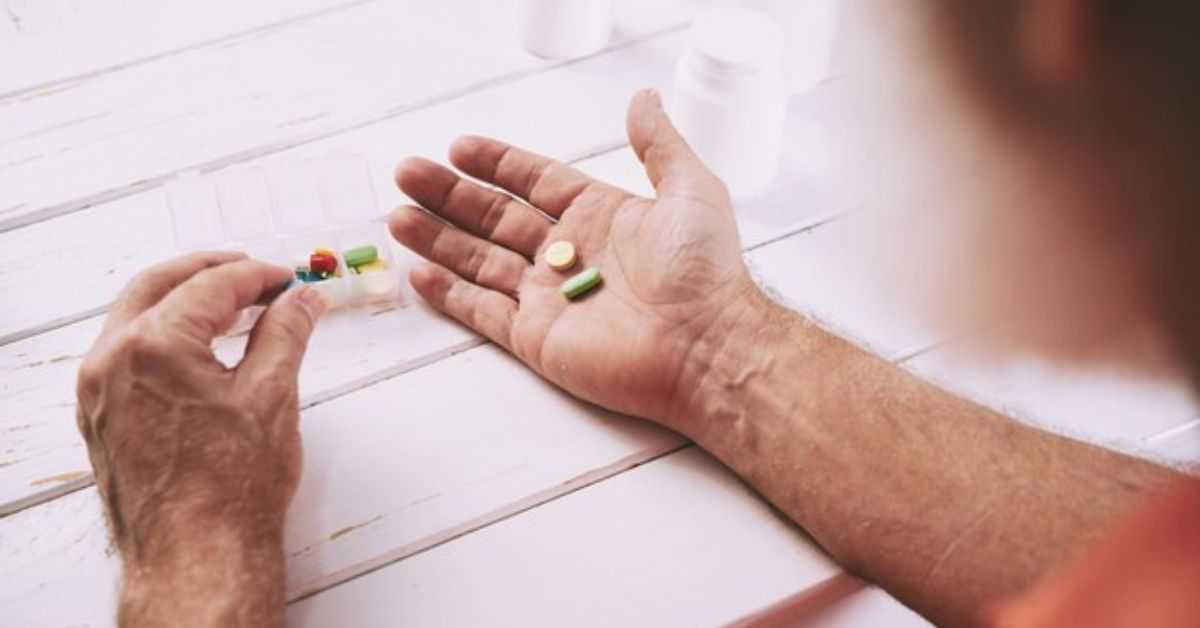
While food should always come first, a few supplements have strong evidence behind them for digestive support. Probiotic supplements can be particularly helpful if your diet lacks fermented foods, or after a course of antibiotics that has depleted your gut flora. Look for multi-strain formulas with at least 10 billion CFUs.
Digestive enzymes (amylase, lipase, protease) help break down carbohydrates, fats, and proteins respectively — useful for people with enzyme insufficiency or chronic bloating after meals. Psyllium husk is one of the best-researched fiber supplements for both constipation and diarrhea, making it a versatile tool for gut regulation.
The Bottom Line
Understanding how to improve digestive health naturally comes down to a handful of consistent habits: eating whole foods rich in fiber and probiotics, staying well hydrated, exercising regularly, managing stress, and eating mindfully. None of these strategies are complicated, and many deliver results faster than you might expect.
Your digestive system is resilient. Give it the right inputs and remove the stressors that work against it, and it will reward you with better energy, clearer skin, a stronger immune system, and a more comfortable life every single day.














Leave a Reply