

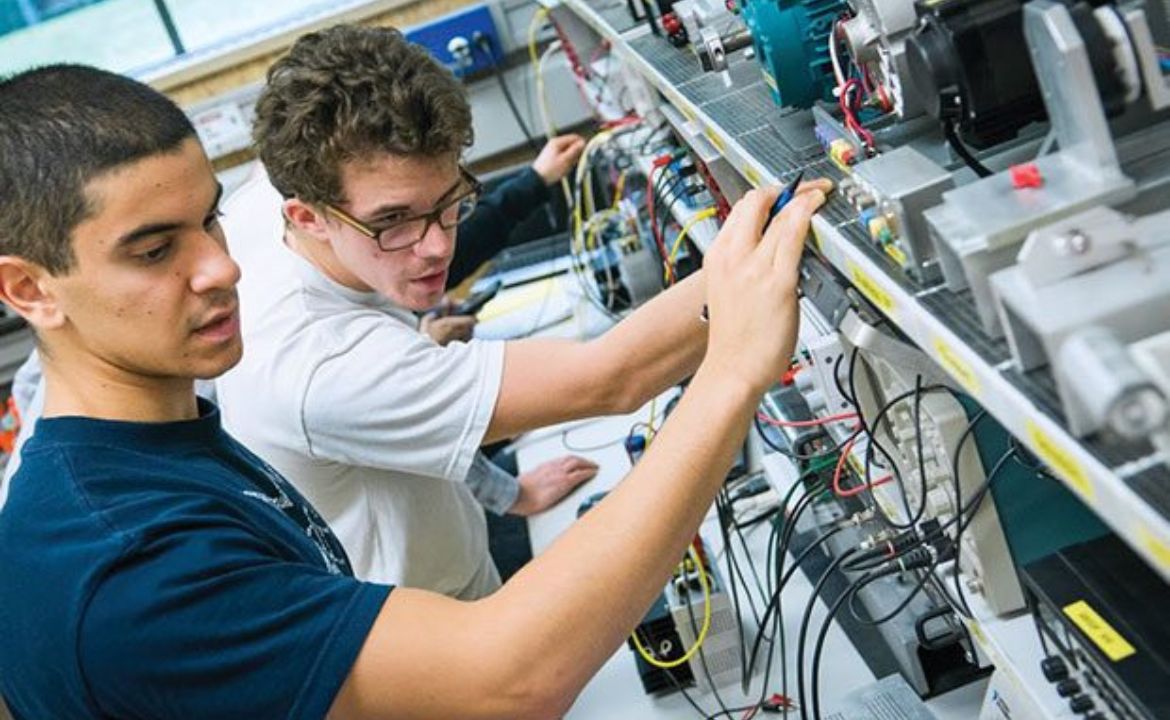
The landscape of technical careers has evolved dramatically over the past decade, with electrical engineering technology emerging as one of the most dynamic and essential fields in modern industry. As our world becomes increasingly dependent on sophisticated electrical systems, automation, and smart technologies, professionals in this field find themselves at the forefront of innovation and infrastructure development.
Understanding the Field
Electrical engineering technology represents the practical application side of electrical engineering principles. While traditional electrical engineers focus heavily on theoretical design and research, electrical engineering technology professionals, in contrast, concentrate on the hands-on implementation, testing, and maintenance of electrical systems. Consequently, this distinction makes the field particularly attractive for those who enjoy problem-solving in real-world environments and prefer working directly with equipment and systems rather than solely with abstract concepts.
Moreover, the scope of this profession extends across numerous industries, from power generation and distribution to telecommunications, manufacturing automation, and renewable energy systems. As a result, professionals in this field work on everything from designing circuit boards and programming automated systems to maintaining industrial equipment and troubleshooting complex electrical networks.
Essential Technical Skills
Circuit Analysis and Design
At the foundation of electrical engineering technology lies a thorough understanding of circuit analysis. Furthermore, modern practitioners must be proficient in analyzing both analog and digital circuits, understanding power distribution systems, and interpreting complex electrical schematics. This includes working with resistors, capacitors, inductors, transistors, and integrated circuits to create functional systems that meet specific performance requirements.
Meanwhile, today’s professionals increasingly use simulation software like SPICE, Multisim, and MATLAB to model circuit behavior before physical implementation. As a result, this skill saves time and resources while allowing for more sophisticated designs that can be tested under various conditions virtually.
Programmable Logic Controllers (PLCs)
Industrial automation has made PLC programming an indispensable skill in electrical engineering technology. Specifically, these specialized computers control manufacturing processes, robotic systems, and automated production lines across virtually every industry. Therefore, proficiency in programming languages like ladder logic, structured text, and function block diagrams enables technologists to design, implement, and troubleshoot automated systems that increase efficiency and reduce human error.
Additionally, understanding various PLC brands such as Allen-Bradley, Siemens, and Mitsubishi, along with their proprietary software platforms, expands career opportunities and versatility in the field.
Power Systems and Distribution
The electrical grid is becoming more complex with the integration of renewable energy sources, energy storage systems, and smart grid technologies. Consequently, modern professionals must understand three-phase power systems, transformers, switchgear, and protective relay systems. Moreover, knowledge of power quality issues, harmonic distortion, and power factor correction has become increasingly important as sensitive electronic equipment proliferates throughout industrial and commercial facilities.
Furthermore, understanding renewable energy systems, including solar photovoltaic arrays and wind turbines, positions professionals to work in the rapidly expanding green energy sector.
Instrumentation and Control Systems
Precision measurement and control form another critical competency area. In particular, this includes working with sensors, transducers, actuators, and data acquisition systems. Similarly, understanding how to select appropriate instrumentation for specific applications, calibrate equipment, and interpret measurement data ensures system accuracy and reliability.
In addition, modern control theory, including feedback loops, PID controllers, and advanced process control strategies, allows professionals to optimize system performance across various applications from HVAC systems to chemical processing plants.
Digital and Computing Skills
Embedded Systems and Microcontrollers
The proliferation of embedded systems has made microcontroller programming essential. Indeed, platforms like Arduino, Raspberry Pi, and various industrial microcontrollers are used in countless applications. Accordingly, proficiency in C/C++ programming, along with understanding of hardware interfaces like I2C, SPI, and UART, enables professionals to create intelligent devices that can sense, process, and respond to their environment.
Subsequently, the Internet of Things (IoT) has further expanded this domain, requiring knowledge of wireless communication protocols, cloud connectivity, and edge computing concepts.
Computer-Aided Design (CAD)
Modern electrical design relies heavily on CAD software. Tools like AutoCAD Electrical, EPLAN, and SolidWorks Electrical enable professionals to create precise electrical drawings, panel layouts, and wire harness designs. Proficiency in these tools streamlines the design process and ensures documentation meets industry standards.
Additionally, PCB design software such as Altium Designer, Eagle, or KiCad has become important for those working on electronic product development.
Data Analysis and Programming
Basic programming skills in languages like Python have become increasingly valuable for automation tasks, data analysis, and system integration. The ability to write scripts for repetitive tasks, analyze system data, and create custom tools enhances productivity and problem-solving capabilities.
Safety and Compliance Knowledge
Working with electrical systems carries inherent risks, making comprehensive safety knowledge non-negotiable. Professionals must understand the National Electrical Code (NEC), OSHA regulations, and industry-specific safety standards. Arc flash analysis, lockout/tagout procedures, and proper use of personal protective equipment are critical for maintaining safe work environments.
Additionally, understanding various industry standards from organizations like IEEE, NEMA, and IEC ensures that designs and installations meet regulatory requirements and best practices.
Soft Skills and Professional Development
Beyond technical competencies, success in electrical engineering technology requires strong communication skills. Professionals must effectively convey technical information to non-technical stakeholders, write clear documentation, and collaborate with multidisciplinary teams. Project management abilities, including scheduling, budgeting, and resource allocation, become increasingly important as careers progress.
Problem-solving methodology, critical thinking, and adaptability are perhaps the most valuable skills in a field characterized by rapid technological change. The ability to quickly learn new technologies and apply existing knowledge to novel situations distinguishes exceptional professionals from merely competent ones.
Continuous Learning and Certification
The dynamic nature of electrical engineering technology demands commitment to lifelong learning. Pursuing professional certifications such as Certified Engineering Technician (CET), various PLC manufacturer certifications, or specialized credentials in areas like power systems or automation demonstrates expertise and commitment to professional development.
Staying current with emerging technologies like artificial intelligence in control systems, advanced battery technologies, and smart grid innovations ensures continued relevance and career growth in this exciting and essential field.
Conclusion
The modern electrical engineering technology professional combines practical hands-on skills with theoretical knowledge, digital literacy, and professional competencies to solve real-world problems across countless industries. As technology continues advancing and electrical systems grow more sophisticated, the demand for skilled professionals who can bridge the gap between engineering concepts and practical implementation will only increase, making this an excellent career choice for those passionate about technology and innovation.












Leave a Reply