

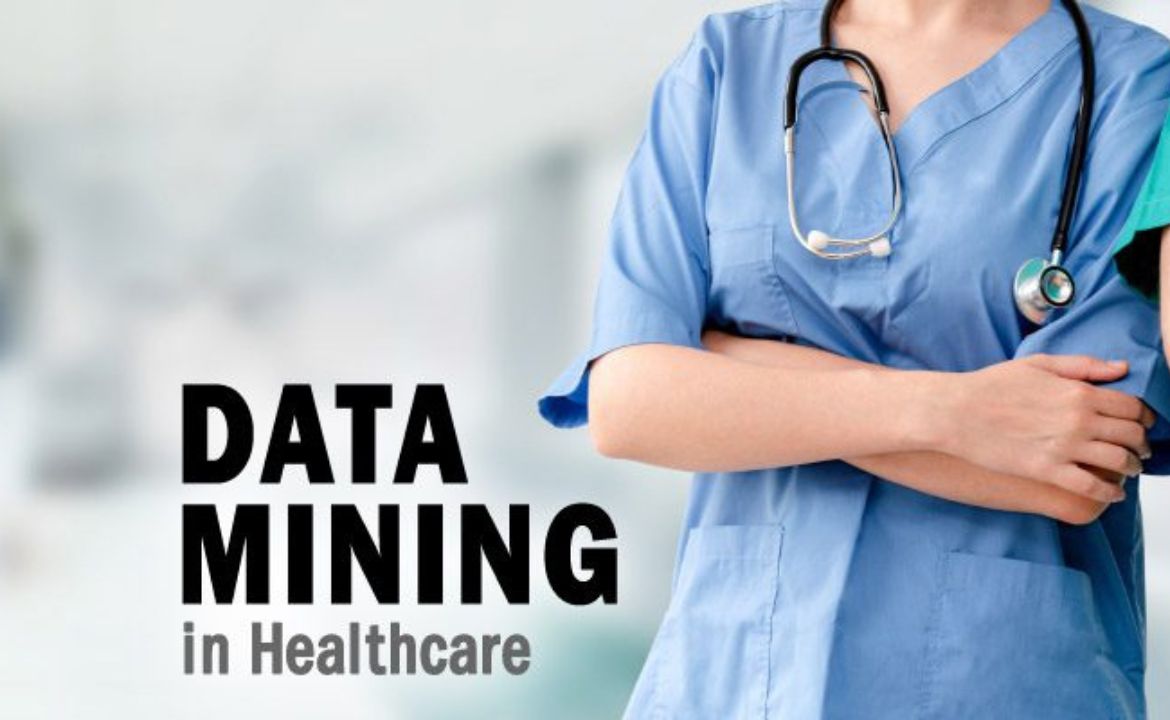
The healthcare industry generates massive volumes of data every single day. From electronic health records and medical imaging to patient monitoring systems and clinical trials, this wealth of information holds tremendous potential for improving patient outcomes, streamlining operations, and advancing medical research. However, raw data alone provides little value. This is where data mining techniques in healthcare come into play, transforming vast datasets into actionable insights that can save lives and revolutionize medical practice.
Understanding Data Mining in Healthcare
Data mining is the process of discovering patterns, correlations, and anomalies within large datasets using sophisticated algorithms and statistical methods. In healthcare, this technology enables medical professionals to extract meaningful information from complex patient records, identify disease trends, predict health risks, and personalize treatment plans. As healthcare systems worldwide adopt digital technologies, the application of data mining has become increasingly critical for delivering quality care while managing costs.
Key Data Mining Techniques Transforming Healthcare
Classification and Prediction
Classification algorithms are among the most widely used data mining techniques in healthcare. These methods categorize patients into predefined groups based on their characteristics, symptoms, and medical history. For instance, classification models can predict whether a patient is at high risk for developing diabetes based on factors like age, BMI, family history, and lifestyle habits. Decision trees, neural networks, and support vector machines are commonly employed for diagnostic purposes, helping physicians make more accurate and timely decisions.
Prediction models take this a step further by forecasting future health events. Hospitals use predictive analytics to anticipate patient readmission rates, identify individuals likely to develop chronic conditions, and estimate disease progression timelines. This proactive approach enables early intervention, potentially preventing serious complications and reducing healthcare costs.
Clustering Analysis
Clustering techniques group similar patients together without predefined categories, revealing natural patterns within healthcare data. This unsupervised learning approach has proven invaluable for patient segmentation, allowing healthcare providers to identify distinct patient populations with similar health profiles or treatment responses. For example, clustering can identify subgroups of cancer patients who respond differently to chemotherapy, enabling more personalized treatment protocols.
Medical researchers also leverage clustering to discover new disease subtypes. By analyzing genetic data, clinical symptoms, and treatment outcomes, scientists have identified previously unknown variations of conditions like diabetes and heart disease, leading to more targeted therapeutic approaches.
Association Rule Mining
Association rule mining uncovers relationships between different variables in healthcare datasets. This technique answers questions like “What symptoms commonly appear together?” or “Which medications are frequently prescribed in combination?” Understanding these associations helps healthcare providers recognize disease patterns, identify potential drug interactions, and optimize treatment regimens.
Pharmacy systems utilize association rules to flag potentially dangerous medication combinations, while epidemiologists use them to trace disease outbreaks and understand transmission patterns. These insights contribute significantly to patient safety and public health initiatives.
Sequential Pattern Mining
Healthcare often involves time-dependent data, making sequential pattern mining particularly valuable. This technique identifies trends and patterns that occur over time, such as the typical progression of disease symptoms or the sequence of treatments that lead to the best outcomes. By understanding these temporal patterns, clinicians can anticipate complications, adjust treatment plans proactively, and improve care coordination.
Sequential mining has been instrumental in studying chronic disease management, where understanding the long-term trajectory of conditions like heart failure or chronic kidney disease enables better care planning and resource allocation.
Real-World Applications and Impact
The practical applications of data mining techniques in healthcare are extensive and continually expanding. In oncology, data mining helps identify cancer biomarkers, predict treatment responses, and develop personalized therapy plans. Radiologists use image mining techniques to detect abnormalities in medical scans with greater accuracy than traditional methods, sometimes identifying early-stage diseases that human eyes might miss.
Hospital administration benefits significantly from operational data mining. By analyzing patient flow patterns, resource utilization, and staffing requirements, healthcare facilities can optimize scheduling, reduce wait times, and improve overall efficiency. Emergency departments use predictive models to anticipate patient volumes, ensuring adequate staffing during peak periods.
Public health agencies employ data mining techniques in healthcare to monitor disease outbreaks, track vaccination coverage, and identify at-risk populations. During the COVID-19 pandemic, data mining played a crucial role in modeling disease spread, predicting healthcare resource needs, and evaluating intervention effectiveness.
Challenges and Considerations
Despite their immense potential, implementing data mining techniques in healthcare settings presents several challenges. Data quality and completeness remain significant concerns, as missing or inaccurate information can lead to flawed insights. Healthcare data exists in various formats across different systems, making integration and standardization complex tasks.
Privacy and security considerations are paramount when handling sensitive patient information. Healthcare organizations must ensure compliance with regulations like HIPAA while leveraging data for analytical purposes. Techniques like data anonymization, encryption, and secure access controls are essential for protecting patient confidentiality.
Interpretability is another critical factor. Healthcare professionals need to understand how data mining models reach their conclusions to trust and act upon their recommendations. Black-box algorithms may produce accurate predictions but fail to gain acceptance if clinicians cannot comprehend their reasoning.
The Future of Healthcare Data Mining
As artificial intelligence and machine learning technologies advance, data mining techniques in healthcare will become even more sophisticated and integrated into clinical practice. The rise of wearable devices and remote monitoring systems generates continuous streams of real-time health data, opening new possibilities for preventive care and early intervention.
Precision medicine represents a promising frontier where data mining enables truly individualized treatment approaches based on a patient’s unique genetic makeup, lifestyle, and environmental factors. Integrating genomic data with clinical records allows researchers to identify optimal therapies for specific patient profiles, moving away from one-size-fits-all treatment protocols.
Natural language processing is enhancing the ability to mine unstructured data from clinical notes, research papers, and patient narratives, unlocking valuable insights previously trapped in text format. This capability enables more comprehensive analysis and better-informed clinical decisions.
Conclusion
The healthcare industry stands at a transformative crossroads where data-driven insights are reshaping every aspect of medical care. Data mining techniques in healthcare have evolved from experimental tools to essential components of modern medicine, driving improvements in diagnosis, treatment, prevention, and healthcare delivery. As technology continues to advance and data volumes grow exponentially, the potential for discovering life-saving insights will only increase.
Success in this data-rich environment requires collaboration between healthcare professionals, data scientists, and technology experts. By combining clinical expertise with analytical capabilities, the healthcare community can harness the full power of data mining to achieve better patient outcomes, reduce costs, and advance medical knowledge. The future of healthcare is undeniably data-driven, and those who effectively leverage these powerful techniques will lead the way in delivering superior care and improving population health.












Leave a Reply